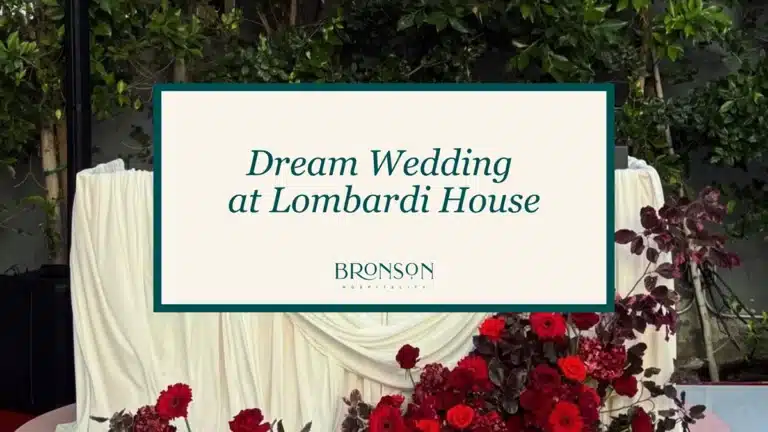

Planning a corporate event starts with defining clear event objectives and building a structured planning process around them. Successful corporate event planning requires coordination across venue selection, attendee engagement, budgeting, and event logistics to ensure the event runs smoothly. Whether planning a networking event, internal event, or large-scale hybrid event, the right strategy helps create stronger business relationships and a lasting impression.
For over a decade, Bronson Hospitality has provided corporate event venues for companies across Los Angeles. Our spaces support networking events, internal events, hybrid events, training sessions, and large-scale corporate gatherings with flexible layouts and modern event capabilities. Contact us to explore our venues and find the right space for your next corporate event.
This corporate event planning guide breaks down how to plan a corporate event, including budgeting, venue selection, attendee engagement, hybrid event strategy, and post-event follow-up.
How to Plan a Corporate Event
Planning a corporate event involves much more than choosing a venue and setting an event date. A successful corporate event should support specific business goals, such as employee engagement, networking, or professional development, while also creating a smooth and engaging experience for attendees. Whether the focus is networking opportunities, training sessions, team building, or company culture, every decision within the planning process affects the outcome. Without a structured approach, companies often run into timeline issues, low attendee engagement, or unexpected costs that affect the event experience. The E.V.E.N.T.S framework below breaks the corporate event planning process into practical steps that help events stay organized and effective.
E- Establish Event Objectives
Every successful corporate event starts with a clear understanding of the event’s purpose. Some companies plan internal events focused on employee engagement and company culture, while others organize networking events or industry events designed to build business relationships. Defining event objectives early helps guide decisions around budget, venue selection, event format, and attendee experience. Research published by Harvard Business Review notes that some 60–90% of strategic plans never fully launch because of execution and planning challenges. Clear goals create a stronger direction throughout the entire event planning process.
V- Venue Selection and Event Format
The venue plays a major role in how attendees experience the event from the moment they arrive. A networking event may require open layouts and breakout sessions, while training sessions or large-scale conferences often need structured seating and stronger audiovisual support. Companies also need to decide whether the event works best as an in-person event, a virtual event, or a hybrid event. It depends on the event’s purpose, but the venue should support the experience rather than limit it. As Jacqueline Galvez, Site Manager, explains, “the most effective corporate events are usually the ones where the venue naturally supports the event strategy and attendee flow.”
E- Engage Attendees
Keeping attendees engaged is one of the biggest priorities in modern event planning. Interactive activities, networking opportunities, breakout sessions, and event apps all help create a stronger connection between attendees and the event itself. This becomes even more important during hybrid events where virtual attendees can disengage more easily. According to workplace engagement research published by Gallup, highly engaged participants are 23% more likely to describe an experience positively and maintain stronger long-term engagement. Engagement should feel intentional throughout the event lifecycle, not added at the last minute.
N- Navigate Budget and Logistics
A realistic event budget helps prevent operational problems later in the planning process. Venue costs, catering, event materials, production support, staffing, and transportation should all be discussed early before contracts are finalized. Many companies underestimate how quickly smaller operational expenses can increase the overall cost of planning corporate events. Creating a detailed corporate event planning checklist helps teams manage timelines, vendors, and unexpected costs more efficiently. Strong logistics planning also helps ensure the event runs smoothly from setup through post-event activities.
T- Timeline and Team Coordination
Corporate event planning becomes much easier when responsibilities and deadlines are clearly organized. A strong event timeline should cover venue booking, event promotion, pre-event communications, registration, vendor coordination, and post-event follow-up. Teams that assign responsibilities early often avoid confusion between stakeholders and event planners later in the process. As Julia Neman, Marketing Manager, notes, “clear communication and realistic timelines usually prevent most last-minute event issues.” Consistent coordination keeps both the planning team and attendees aligned throughout the event.
S- Surveys and Post-Event Follow Up
The planning process should continue even after the event ends. Gathering attendee feedback through post-event surveys helps companies understand what worked well and what needs improvement before future events are planned. Reviewing attendance, engagement levels, networking outcomes, and event highlights also helps measure event success more accurately. A common mistake is focusing only on attendance numbers without evaluating attendee experience or long-term business value. Companies that consistently gather feedback and refine their process often create stronger and more successful corporate events over time.
Types of Corporate Events
Corporate events can serve very different purposes depending on the company’s goals, target audience, and overall business strategy. Some events are designed to strengthen internal relationships and company culture, while others focus on networking opportunities, education, or industry visibility. Choosing the right event format early helps companies build a smoother planning process and create stronger attendee engagement throughout the event lifecycle. The format should support the event’s purpose rather than simply follow trends or previous events. Understanding the most common types of corporate events makes it easier to choose the right structure, venue, and planning approach for your next event.
Networking Events
Networking events are designed to help attendees build professional relationships and industry connections in a more social setting. These events often include cocktail receptions, breakout sessions, interactive activities, and open networking opportunities that encourage conversation throughout the event. Companies commonly use networking events to strengthen business relationships, connect teams, or create collaboration opportunities. The venue layout plays an important role because attendees need space to move comfortably and engage naturally. Flexible event spaces with open layouts usually work best for this type of corporate event.
Internal Events
Internal events are focused on employees, leadership teams, or company stakeholders rather than outside guests. These corporate events may include team building activities, company meetings, employee recognition events, or leadership presentations. Internal events often help strengthen company culture and improve communication across departments. It depends on the event objectives, but companies usually benefit from spaces that feel collaborative and easy to navigate. A well-planned internal event can improve employee engagement and create a stronger team connection.
Training Sessions and Workshops
Training sessions and workshops are centered around education, professional development, and operational improvement. Companies often use these events to introduce new systems, align teams with the business strategy, or improve technical skills. These event formats usually require structured seating, presentation areas, breakout rooms, and strong audiovisual support. Companies sometimes underestimate how important venue functionality becomes during longer training-focused events. Clear event agendas and organized scheduling help these sessions run more smoothly.
Hybrid Events
Hybrid events combine in-person participation with virtual event access, allowing companies to engage both physical and remote attendees simultaneously. This format has become increasingly common for businesses managing larger audiences, multiple office locations, or future corporate events that require broader accessibility. Hybrid events usually require stronger technical planning because both in-person and virtual attendees need a smooth experience throughout the event. Event apps, live streaming, and interactive engagement tools become especially important within this format. Companies planning hybrid events should prioritize venues with strong production capabilities and reliable technical infrastructure.
Awards Ceremonies and Large-Scale Conferences
Awards ceremonies and large-scale conferences are typically designed around recognition, presentations, networking, and industry engagement. These corporate events often include keynote speakers, breakout sessions, event materials, entertainment, and structured event agendas spread across multiple spaces. Larger conferences also require more operational coordination because of attendee movement, vendor management, and event timelines. As Jacqueline Galvez, Site Manager, explains, “larger corporate events are usually most successful when the venue, schedule, and attendee experience all work together naturally.” Choosing the right format early helps the corporate event planning process stay more organized and efficient.
Types of Corporate Events
Corporate events can serve very different purposes depending on the company’s goals, target audience, and overall business strategy. Some events are designed to strengthen internal relationships and company culture, while others focus on networking opportunities, education, or industry visibility. Choosing the right event format early helps companies build a smoother planning process and create stronger attendee engagement throughout the event lifecycle. The format should support the event’s purpose rather than simply follow trends or previous events. Understanding the most common types of corporate events makes it easier to choose the right structure, venue, and planning approach for your next event.
Networking Events
Networking events are designed to help attendees build professional relationships and industry connections in a more social setting. These events often include cocktail receptions, breakout sessions, interactive activities, and open networking opportunities that encourage conversation throughout the event. Companies commonly use networking events to strengthen business relationships, connect teams, or create collaboration opportunities. The venue layout plays an important role because attendees need space to move comfortably and engage naturally. Flexible event spaces with open layouts usually work best for this type of corporate event.
Internal Events
Internal events are focused on employees, leadership teams, or company stakeholders rather than outside guests. These corporate events may include team building activities, company meetings, employee recognition events, or leadership presentations. Internal events often help strengthen company culture and improve communication across departments. It depends on the event objectives, but companies usually benefit from spaces that feel collaborative and easy to navigate. A well-planned internal event can improve employee engagement and create a stronger team connection.
Training Sessions and Workshops
Training sessions and workshops are centered around education, professional development, and operational improvement. Companies often use these events to introduce new systems, align teams around business strategy, or improve technical skills. These event formats usually require structured seating, presentation areas, breakout rooms, and strong audiovisual support. Companies sometimes underestimate how important venue functionality becomes during longer training-focused events. Clear event agendas and organized scheduling help these sessions run more smoothly.
Hybrid Events
Hybrid events combine in-person participation with virtual event access, allowing companies to engage both physical and remote attendees simultaneously. This format has become increasingly common for businesses managing larger audiences, multiple office locations, or future corporate events that require broader accessibility. Hybrid events usually require stronger technical planning because both in-person and virtual attendees need a smooth experience throughout the event. Event apps, live streaming, and interactive engagement tools become especially important within this format. Companies planning hybrid events should prioritize venues with strong production capabilities and reliable technical infrastructure.
Awards Ceremonies and Large-Scale Conferences
Awards ceremonies and large-scale conferences are typically designed around recognition, presentations, networking, and industry engagement. These corporate events often include keynote speakers, breakout sessions, event materials, entertainment, and structured event agendas spread across multiple spaces. Larger conferences also require more operational coordination because of attendee movement, vendor management, and event timelines. As Jacqueline Galvez, Site Manager, explains, “larger corporate events are usually most successful when the venue, schedule, and attendee experience all work together naturally.” Choosing the right format early helps the corporate event planning process stay more organized and efficient.
How to Measure Event Success
Measuring event success is an important part of the corporate event planning process because it helps companies understand whether the event achieved its goals. Attendance numbers alone do not always reflect success, especially for networking events, internal events, or training sessions. Companies should also evaluate attendee engagement, post-event feedback, networking outcomes, and overall business value. According to Gallup, highly engaged participants are 23% more likely to report a positive event experience and a stronger organizational connection. This highlights why attendee engagement should remain a core performance metric throughout the event lifecycle.
Post-event surveys are one of the most effective ways to gather feedback and identify areas for continuous improvement. Questions around event agenda, breakout sessions, event materials, venue experience, and networking opportunities help companies understand how attendees responded to different parts of the event. Event planners should also review registration numbers, participation levels, and attendee retention across future events. A common mistake is focusing only on attendance while ignoring engagement quality and business outcomes. As Julia Neman, Marketing Manager, notes, “the strongest events are measured by long-term impact, not just how full the room feels during the event.”
Companies planning future corporate events should use event data to improve strategy and operational decision-making over time. Reviewing attendee feedback helps refine event themes, event promotion strategies, and overall event format for future planning. It also helps teams identify operational gaps related to venue selection, timing, or pre-event communications. Consistent measurement creates a clearer understanding of what keeps attendees engaged and what limits event success. This process supports stronger planning, better attendee experiences, and more valuable business relationships over time.
How Do Corporate Event Formats Compare?
Different corporate events require different planning approaches, venue setups, and engagement strategies. A networking event will usually need a more social and flexible layout, while training sessions or large-scale conferences often require structured seating and breakout areas. Understanding these differences helps companies choose the right event format for their goals, audience, and operational needs.
Disclaimer: Corporate event formats, venue requirements, technical capabilities, and operational needs can vary depending on attendee count, business objectives, and event structure. The comparisons below are intended as general planning guidance for companies organizing corporate events.
| Event Type | Best For | Recommended Format | Typical Venue Needs | Key Engagement Features |
| Networking Event | Building business relationships and industry connections | In-person event or hybrid event | Open event space, cocktail areas, breakout sessions | Interactive activities, networking opportunities, and event apps |
| Internal Event | Strengthening company culture and team building | In-person event | Flexible layouts, presentation areas, and collaborative seating | Team building activities, training sessions, and attendee engagement |
| Training Sessions | Professional development and operational alignment | Hybrid event or in-person event | AV support, breakout rooms, structured seating | Workshops, breakout sessions, event materials |
| Awards Ceremony | Employee recognition and company milestones | In-person event | Stage setup, banquet seating, audiovisual production | Formal presentations, entertainment, and event highlights |
| Large-Scale Conference | Industry events and large audience engagement | Hybrid event | Large event space, registration areas, multiple session rooms | Keynote speakers, networking, and post-event activities |
| Hybrid Events | Remote and in-person attendee participation | Hybrid event | Strong internet, AV systems, streaming capabilities | Virtual event access, live engagement tools, and attendee feedback |
The right event format depends on the event’s purpose, target audience, and operational priorities. Some companies prioritize networking opportunities and attendee engagement, while others focus more on training, company culture, or long-term business value.
Disclaimer: Corporate event formats, venue requirements, and operational needs can vary depending on company goals, attendee count, and event objectives. The comparison below provides general planning guidance to help businesses choose the right format for their next corporate event.
8 Top Venues for Corporate Events in Los Angeles
Los Angeles offers a wide mix of venues for networking events, internal events, hybrid events, and large-scale corporate gatherings. The venues below support different event formats, attendee counts, and operational needs for companies planning successful corporate events.
Disclaimer: Venue capacities, layouts, pricing, amenities, and service availability may change over time and can vary based on event requirements, production needs, and vendor coordination. Companies should confirm specifications directly with venues during the planning process.
1. Lombardi House

Lombardi House offers a flexible indoor and outdoor environment for corporate events that require both structure and atmosphere. The venue accommodates up to 250 guests and works well for networking events, team building sessions, and company celebrations. Its garden setting and open layout support breakout sessions, catering stations, and attendee movement throughout the event. Companies often choose this venue for events that balance professionalism with a more relaxed experience. Lombardi House is especially effective for brands focused on company culture and attendee engagement.
2. Vermont Hollywood
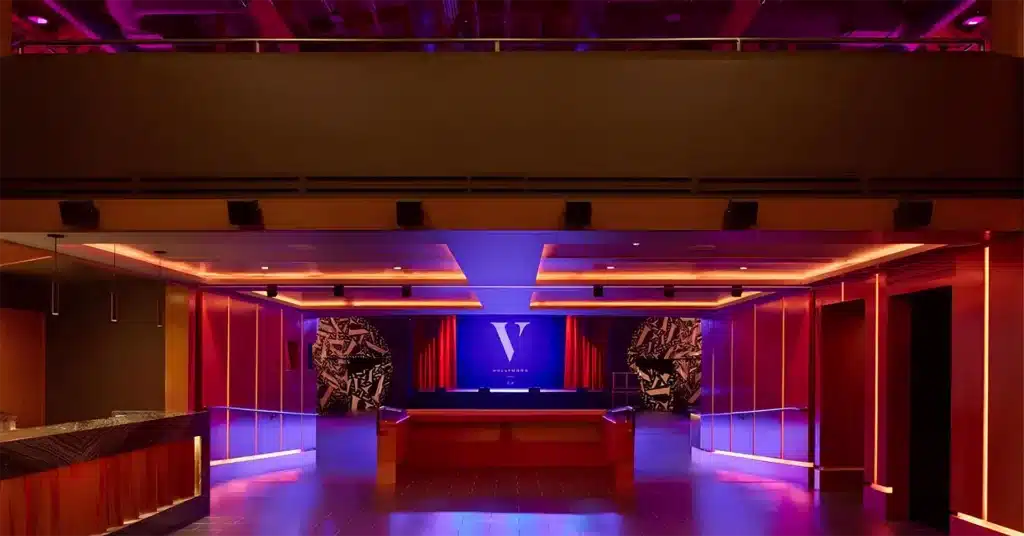
Vermont Hollywood is designed for larger corporate events that require production capabilities and flexible event layouts. The venue spans more than 13,000 square feet and supports large guest counts, stage presentations, entertainment, and hybrid event setups. Its open floor plan allows companies to separate networking areas, presentations, and lounge spaces efficiently. The venue works particularly well for awards ceremonies, product launches, and large-scale internal events. Vermont Hollywood is ideal for companies planning high-energy corporate gatherings.
3. Serra on Vine
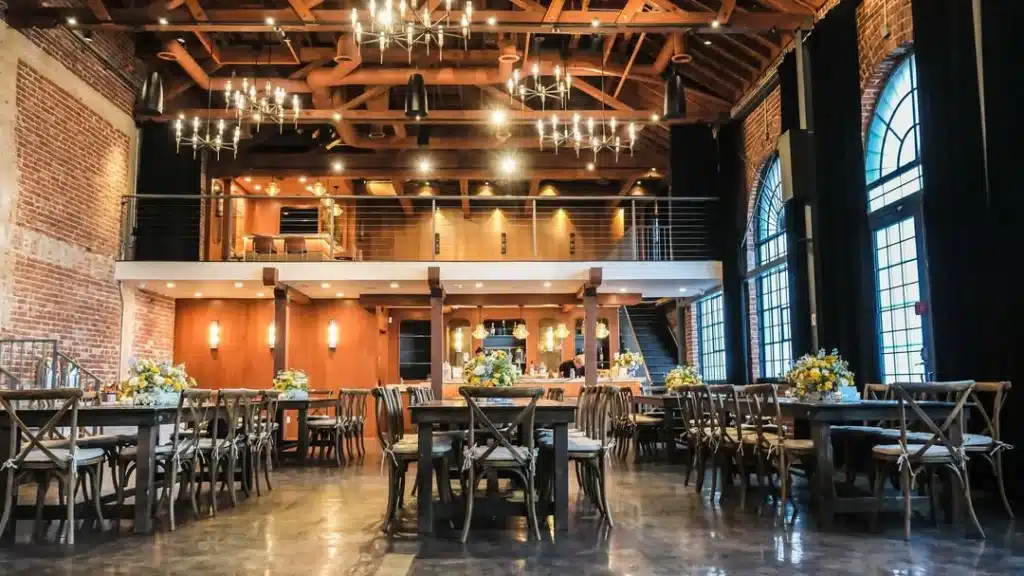
Serra on Vine combines modern design with flexible event functionality for mid-sized corporate events. The venue can host up to 200 guests comfortably and supports both seated presentations and networking-focused layouts. Its indoor-outdoor setup creates a more open atmosphere for attendee interaction and breakout sessions. Companies often use this venue for networking events, creative workshops, and smaller conferences. Serra on Vine works especially well for businesses looking for a polished but approachable event space.
4. Casita Hollywood

5. Studio Eleven43

Studio Eleven43 offers a modern and highly adaptable space for creative corporate events. The venue supports flexible seating arrangements, presentations, breakout sessions, and branded event installations. Its clean layout makes it easier for companies to customize the environment around their event theme and operational needs. The space works well for hybrid events, networking functions, and content-focused experiences. Studio Eleven43 is ideal for businesses seeking a more contemporary event setting.
6. NeueHouse Hollywood
NeueHouse Hollywood is a private workspace and event venue known for hosting creative industry events and networking experiences. The venue combines modern meeting areas with social spaces that support presentations, cocktail receptions, and collaborative sessions. Companies often choose this venue for networking events, panel discussions, and brand activations. Its layout encourages attendee engagement while still maintaining a polished corporate atmosphere. NeueHouse Hollywood works especially well for media, tech, and creative companies.
7. The LINE Los Angeles
The LINE Los Angeles offers flexible event spaces designed for modern corporate gatherings and hybrid events. The venue supports presentations, breakout sessions, networking opportunities, and team-building activities within a more contemporary setting. Companies often use this venue for conferences, workshops, and internal company events because of its adaptable layouts. Its location and operational flexibility also make logistics easier for attendees and vendors. The LINE works well for businesses planning modern and experience-driven corporate events.
8. Loews Hollywood Hotel
Loews Hollywood Hotel provides large-scale event capabilities for conferences, awards ceremonies, and formal corporate functions. The venue features multiple meeting rooms, ballroom space, and advanced audiovisual support for complex event production needs. Companies often choose this venue for events with larger attendee counts and structured event agendas. The hotel environment also supports post-event activities, networking opportunities, and multi-day event planning. Loews Hollywood Hotel is ideal for companies requiring scale, organization, and operational efficiency.
Ready to Plan a Successful Corporate Event?
Planning a corporate event requires clear event objectives, strong coordination, and the right venue to support attendee engagement and operational flow. Whether organizing networking events, hybrid events, training sessions, or large-scale conferences, every part of the planning process affects the overall event experience. While corporate event planning can become complex when managing vendors, timelines, and unexpected costs, a structured approach usually leads to smoother execution and stronger business value. It depends on the event’s purpose, but companies that prioritize organization, attendee experience, and venue selection often create more successful corporate events. What sets this guide apart is the combination of practical planning strategies, operational insight, and real venue recommendations designed to support both event performance and long-term business relationships.
Bronson Hospitality offers flexible corporate event venues across Los Angeles for networking events, internal events, hybrid events, and large-scale gatherings. Connect with our team to explore our spaces and plan a corporate event that aligns with your business goals and event objectives.
Frequently Asked Questions
Here are answers to common questions companies ask when planning corporate events with Bronson Hospitality.
How Far In Advance Should I Start Planning A Corporate Event With Bronson Hospitality?
We recommend starting the corporate event planning process at least 6 to 12 months in advance, especially for large-scale events or high-demand event dates. Early planning improves venue selection, vendor coordination, and overall event organization.
What Information Should I Provide To Bronson Hospitality When Planning A Corporate Event
Companies should provide details such as event objectives, estimated attendee count, preferred event date, event budget, location preferences, and any technical or operational requirements. Sharing these details early helps our event team recommend the most suitable venue and event format.
How Can I Customize My Corporate Event With Bronson Hospitality?
Corporate events can be customized through venue layout, catering services, audiovisual support, décor, entertainment, breakout sessions, and attendee engagement activities. Our team works with companies to align the event setup with their business goals and event strategy.
Can Bronson Hospitality Assist With Arranging Accommodations For Out-Of-Town Guests Attending The Corporate Event?
Yes, our team can provide recommendations for nearby hotel accommodations and logistical support for out-of-town attendees. This helps companies simplify travel coordination and improve the overall guest experience.
What Is The Process For Booking A Corporate Event With Bronson Hospitality?
The process usually begins with a consultation to discuss event objectives, guest count, budget, and venue requirements. After reviewing available options, our team finalizes event details, confirms logistics, and secures the booking through contract and deposit arrangements.